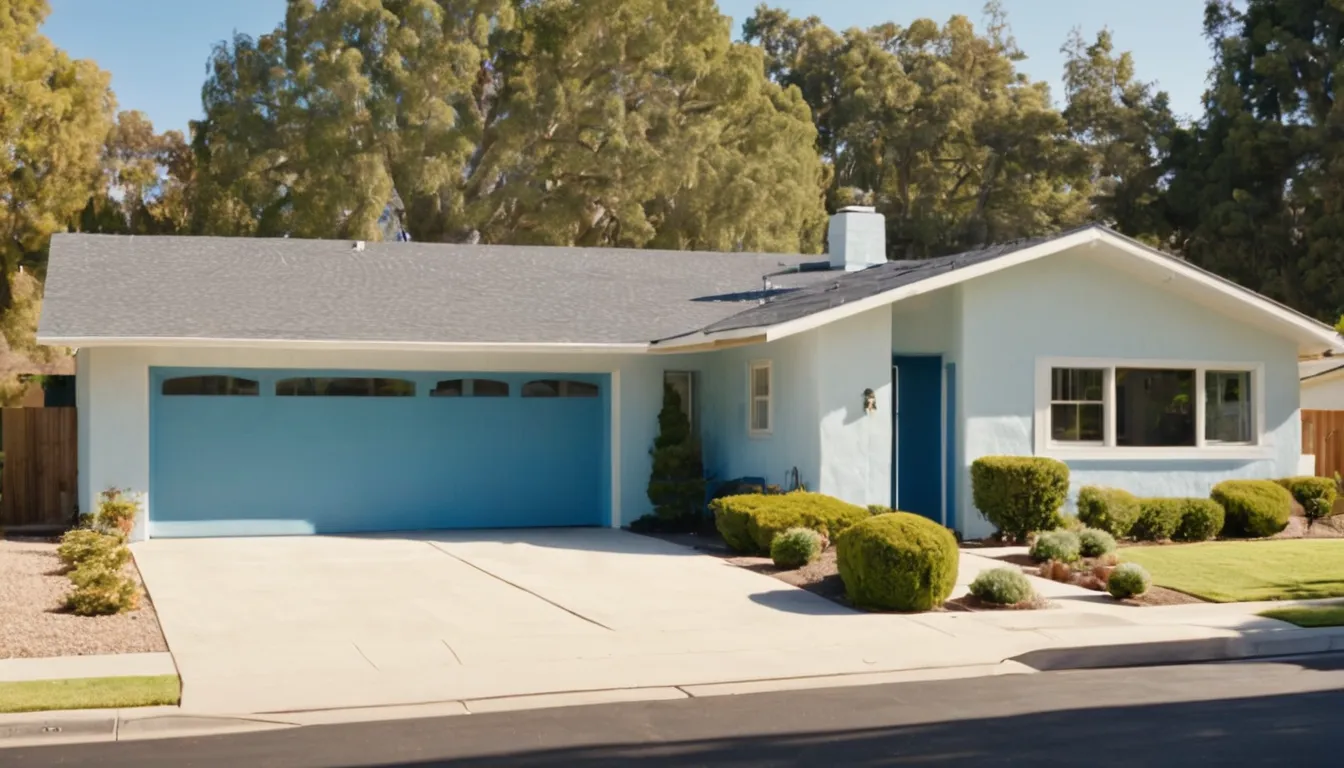
Need concrete floor coating in Los Angeles?
Questions about your garage floor? Request a callback to check provider availability, or request an estimate and a local provider will follow up.
No obligationIs your concrete floor cracked, stained, or shedding dust? A coating can add a sturdy, easy-to-clean layer over a worn slab. It can also add color, grip, and a cleaner look to basements, patios, workshops, and utility rooms.
Applethread Floor Coating is a referral service. We do not do the work. We connect homeowners in Los Angeles and the Los Angeles area with independent providers in our network. They look at your slab, explain the options before work begins, and give you a written quote. You decide what happens next, with no pressure.
Maybe you see cracks, stains, or a chalky dust that floats up when you sweep. Maybe old paint is peeling in sheets. These are common signs that a slab wants a protective layer. This page walks you through the options in plain words, so you know what to expect before anyone starts work.
Start with anything that could hurt someone or the slab itself. Walk the floor and look for:
Take a few photos. Then mention the urgent ones when you talk to a provider. Safety items usually go to the top of the list.
Great question, and the answer is: partly. Some jobs are friendly to homeowners. Others need machines and skills that take years to learn. Here is the split.
A cleared space saves the provider time and helps the job go smoothly.
Grinding the surface, filling cracks, testing moisture, and mixing resin all call for the right gear. Providers use diamond grinders, dust-controlled vacuums, and measured materials. They also know how to work inside a coating's short working time. A rented grinder and a store kit rarely give the same grip. Prep makes the floor, and prep is the part to hand over.
Tires, shoes, tools, and spills all take a toll. So does moisture moving up through the slab. Many stucco ranch homes and 1950s-1980s tract homes sit on slabs that have seen decades of use. Long dry seasons can open hairline cracks. Winter rain events can push dampness into the concrete. Smoke seasons leave fine ash that grinds into bare surfaces. A concrete coating shields the slab from much of this.
It can be, but moisture is the big question. Basements often hold damp concrete, and a coating over trapped moisture can bubble or peel. A provider may test the slab first. If readings run high, they may suggest a vapor-blocking primer or a different product. Ask to see the test results in writing.
Outdoor slabs face sun, rain, and foot traffic. Mild coastal temperatures are gentle on coatings, but strong sun can fade some products. Ask about UV-stable finishes and slip-resistant texture. A little grit in the top layer helps keep wet steps from feeling slick.
Shop floors take drops, spills, and rolling carts. Look for tough topcoats that resist chemicals and scuffs. Providers can also add color flakes that hide dirt and small marks. Tell them what tools and fluids you use so they can match the product to your habits.
Yes. Laundry rooms, utility rooms, mudrooms, and storage areas can all take a coating. Water resistance and easy cleaning are the big wins. Custom floor finishes, like flake blends or solid colors, let you match the look to the rest of the house.
Yes, and the difference matters. A sealer soaks in or forms a thin film. It helps with dust and light stains. A coating builds a thicker layer on top, with more color, grip, and wear protection. Epoxy garage floors are one well-known example. Polyurea and polyaspartic are other options. Your provider can explain which fits your slab and budget.
Ask, then decide. Most jobs follow a similar path:
Cure times vary by product, weather, and thickness, so ask for a clear timeline in writing.
Treat it kindly at first. Keep heavy items and wet shoes off until the provider says it is ready. After that, daily care is simple. Sweep or dust mop, and wipe spills when they happen. Use mild cleaners, not harsh solvents. Felt pads under furniture prevent scratches.
Bring a short list. Good questions include:
Get the answers in writing. A clear quote makes it easier to compare.
That is fine. Many homeowners start with just a question. Request a callback to check provider availability in your area, or request an estimate and describe your floor. If your project is another floor type, such as hardwood flooring installation, mention that too. There is no obligation, and you decide what happens next.
A provider checks your concrete and explains coating choices in plain words before work begins.
Repairs, diamond grinding, and cleaning get the slab ready so the coating can grip well.
Primer, color coat, and a protective topcoat go on in steps, matched to your space.
You get a written timeline for curing and simple advice for cleaning and keeping the floor looking good.
Prices vary with slab size, condition, and product. These are typical U.S. ranges only. Repairs, moisture problems, and fancy finishes can move the total, so always get a written quote from the provider before work starts.
| Item | Typical range | Notes |
|---|---|---|
| Clear or tinted sealer, per sq ft | $2 – $5 | Thin protection; fine for light wear |
| Single-color epoxy coating, per sq ft | $3 – $7 | Includes basic prep in many quotes |
| Flake or custom finish, per sq ft | $5 – $10 | Adds texture, color, and hides marks |
| Polyaspartic or polyurea topcoat, per sq ft | $6 – $12 | Tougher surface, often a higher price |
| Crack and chip repair | $200 – $1,000 | Depends on how many and how deep |
| Moisture test and vapor primer | $100 – $500 | Common for basements and older slabs |
Request a callback to check provider availability, or send the estimate form with a few details about your floor.
A provider asks about your slab, your goals, and how you use the space.
Read the written quote, ask questions, and choose the finish that suits you.
The provider prepares the slab, applies the coating, and tells you when it is ready.
Providers explain the options and next steps before any work starts, so nothing feels like a surprise.
Independent pros in your area know the slabs, weather, and homes common near you.
Ask for a written quote that lists prep, products, and timeline so you can compare.
Request an estimate with no obligation, then take your time to decide what fits.
Questions about your garage floor? Request a callback to check provider availability, or request an estimate and a local provider will follow up.
No obligationOften, yes. The slab needs to be clean, sound, and dry enough. A provider will check for cracks, old paint, and moisture, then decide what prep is needed before any coating goes on.
It depends on the product, prep, and how much traffic the floor sees. Many coatings last for years with basic care. Ask the provider what to expect for your space.
No. A sealer is a thin protective layer, while a coating is thicker and adds color, grip, and stronger wear protection. A local provider can explain which one suits your slab and budget.
Questions about your garage floor? Request a callback to check provider availability, or request an estimate and a local provider will follow up.
No obligation